


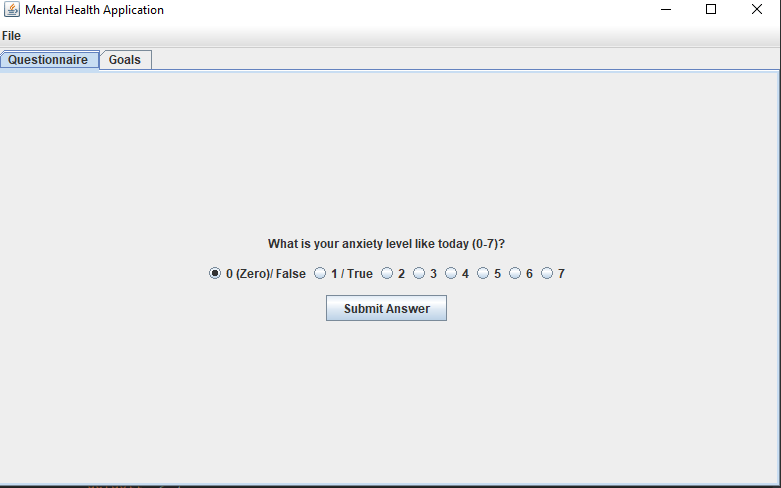
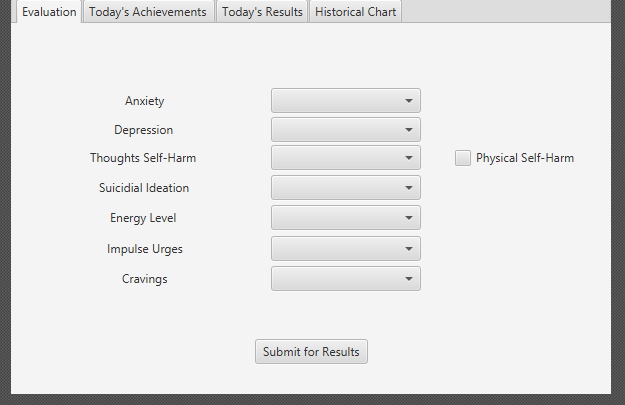
The next phase of the Mental Health app is to make it a web-based application. So now I can bring it more to fruition. Since I have learned Java again, I have challenged myself by learning Spring Boot and Thymeleaf. I could get through the mental health project more quickly than by starting a whole new project. Because I already laid the foundation with the other applications via Swing and JavaFX.
The course where Chad Darby talks about Spring Boot 3, Spring 6, and Hibernate for Beginners is a part of the Udemy course I have bought over the years. He gave easy-to-follow information throughout the course and replicated it. I used the information provided by Chad to make the mental health app a bit more inclusive, taking into account different parameters, like if a therapist wanted to link with their patient to make it more of a holistic approach.
The application is a CRUD app (Create, Read, Update, and Delete) like the Java Swing and JavaFX apps, as stated in part 1 of the mental health blog post. The user must create several data points that the therapist can translate into warning signs or positives. Then, the therapist could share the information extracted from the various data points with the patient.
One of the features of the mental health app is having a CSV file uploaded to the app to accommodate therapists who have the data already and need an excellent way to visualize it through an app rather than relying on Microsoft Excel to give the desired output. Another feature of the mental health app is extracting the data from the system and putting it into a comma-delimited list.
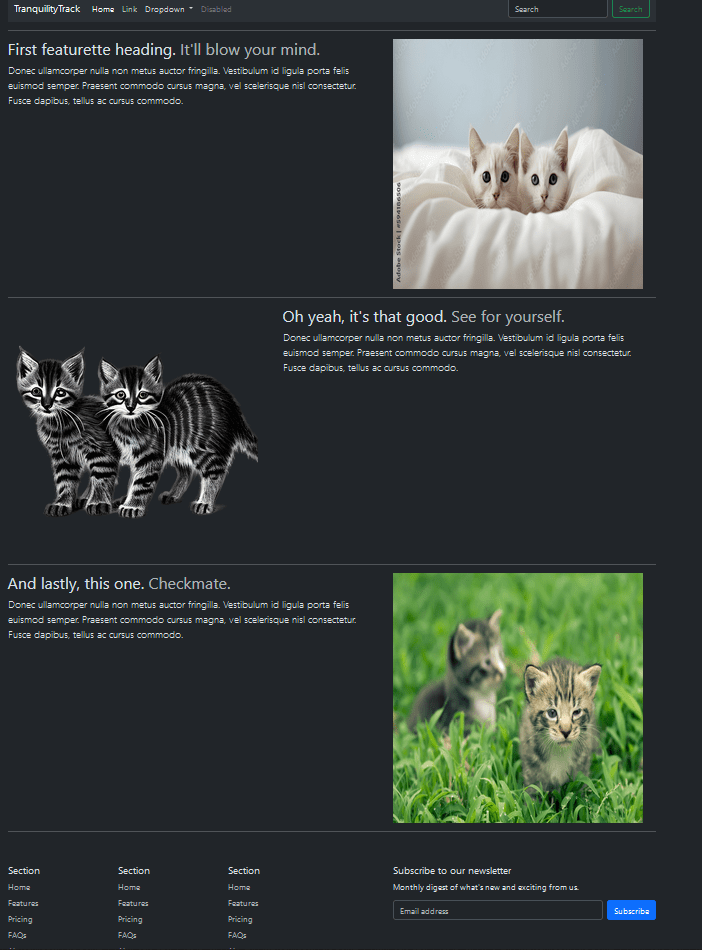
As it stands right now, I have sort of a homepage. While taking an HTML and CSS class, I am trying to find inspiration to make the homepage more accessible.
 Benjamin Mathre